The first known case of the novel coronavirus (SARS-CoV-2) was confirmed on November 17, 2019. It was diagnosed in Wuhan, the capital and largest city of Hubei province in China. A month later, the world was already facing a pandemic in East Asia that rapidly spread to the rest of the world.
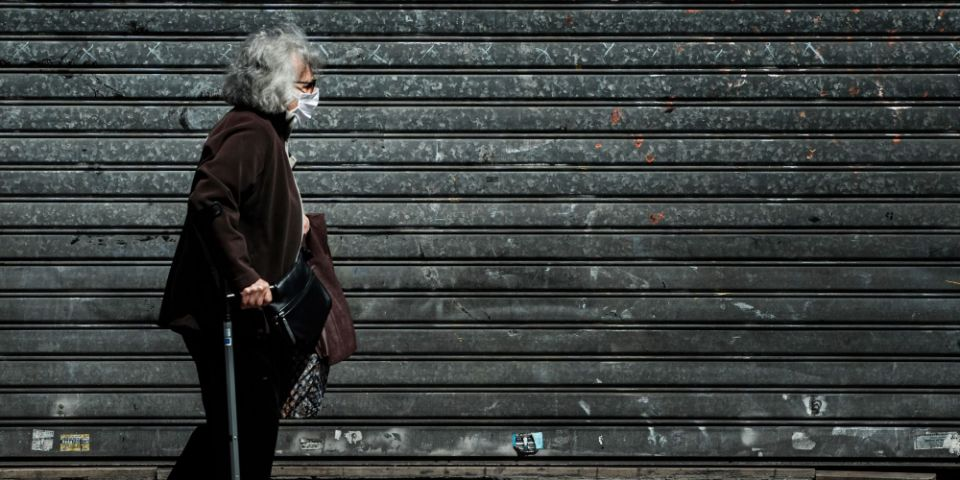
A year later, approximately 80 million people had been infected, 45 million had recovered, and 1.8 million had died worldwide. As of today (February 8, 2021), more than 106 million people have been infected, of whom about half have recovered, and more than 2.3 million have died. The COVID-19 crisis is an unprecedented challenge for our societies. The symptoms of COVID-19 are varied and can be confused with those of the flu or a simple cold. Most infected people develop mild to moderate symptoms and recover without needing hospitalization. The vaccine was developed in record time by several pharmaceutical companies and began to be administered in late 2020/early 2021 in several countries.
Due to the “Great Lockdown,” which left cities around the world deserted, the International Monetary Fund (IMF) predicts a 3% drop in the world economy, dragged down by a 5.9% contraction in the United States, 7.5% in the Eurozone, and 5.2% in Japan. However, these figures could worsen drastically, as the third wave of the pandemic is being felt throughout Europe, and the new restrictive measures are already having visible consequences in various sectors of the economy.
The end of this pandemic is not yet foreseeable. However, at this moment, we can already state one certainty: “after the coronavirus, the world will not be the same again.”