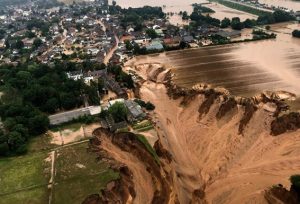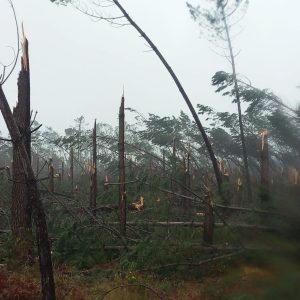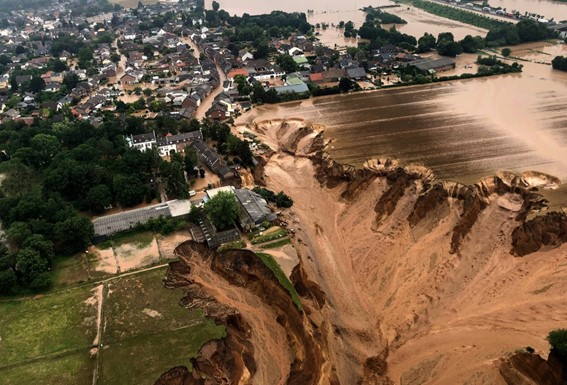
The worst rains in Germany, which also affected Belgium, Luxembourg, and the Netherlands, have been devastating for 60 years. The floods claimed approximately 180 lives across the four countries, and around 1,300 people were missing. Homes, businesses, and cars were destroyed, creating tens of thousands of tons of debris whose removal could take months.
Germany is a pioneer in waste management but struggles to clean up its cities. Contaminated water, damaged sewage systems, and foul odors are conducive to the spread of disease, which is now the main concern of the authorities. In one week, cleanup teams, composed of firefighters and the army, managed to remove enough debris to make the roads passable, creating large amounts of household waste that caused a foul smell due to dead animals and spoiled food, leading to the spread of bacteria, rats, and viruses, which constitute a serious problem. The German government has announced that it will not be possible to eliminate all the waste locally and that national assistance will be needed, with appeals launched on social media to help remove “unimaginable quantities” of garbage. The extreme rainfall that caused the devastating floods is a catastrophe in itself, but the resulting waste crisis is a challenge that will take months to resolve.